

For over 65 years, Simonian Rugs has been the Bay Area's trusted expert in rug care. In this comprehensive guide, we'll share our expertise on different rug materials and provide professional insights on maintaining their beauty and longevity.
SECTION 1: UNDERSTANDING RUG MATERIALS
Rugs can be made out of several types of materials below we have broken them up into 2 categories Natural and Synthetic. Lets first dive into the natural materials found in rugs.
Natural materials found in rugs
Wool

Origin & Production: Wool, nature's premier fiber, primarily comes from sheep, with the finest varieties sourced from regions like New Zealand, Tibet, Turkey and Iran. The process begins with shearing, where the fleece is carefully removed from the sheep. The raw wool then undergoes scouring (cleaning), carding (aligning fibers), and spinning into yarn. In rug making, wool is prized for its ability to be dyed brilliantly and woven into intricate patterns. The natural crimp in wool fibers creates air pockets that contribute to its durability and resilience.
Characteristics:• Natural resilience and durability• Excellent soil resistance • Natural stain resistance
• Ideal for high-traffic areas
Care instructions:
Daily/Weekly Care: • Vacuum 1-2 times per week using suction only (avoid beater bars) • Rotate rug every 3-6 months • Use rug padding to prevent wearSpot Cleaning: • Blot spills immediately - never rub • Use clean white cloth and plain water first • For persistent stains:
- Mix 1 part white vinegar with 2 parts water
- Avoid over-wetting
- Never use bleach or harsh chemicals • Test cleaning solutions in inconspicuous area first
Professional Care: • Professional cleaning every 12-18 months
Immediate professional cleaning for:
- Pet accidents
- Red wine/coffee spills
- Oil-based stains • Recommended services:
- Fiber Shield protection ($1.50/sqft)
- Moth prevention treatment
- Deodorizing when needed
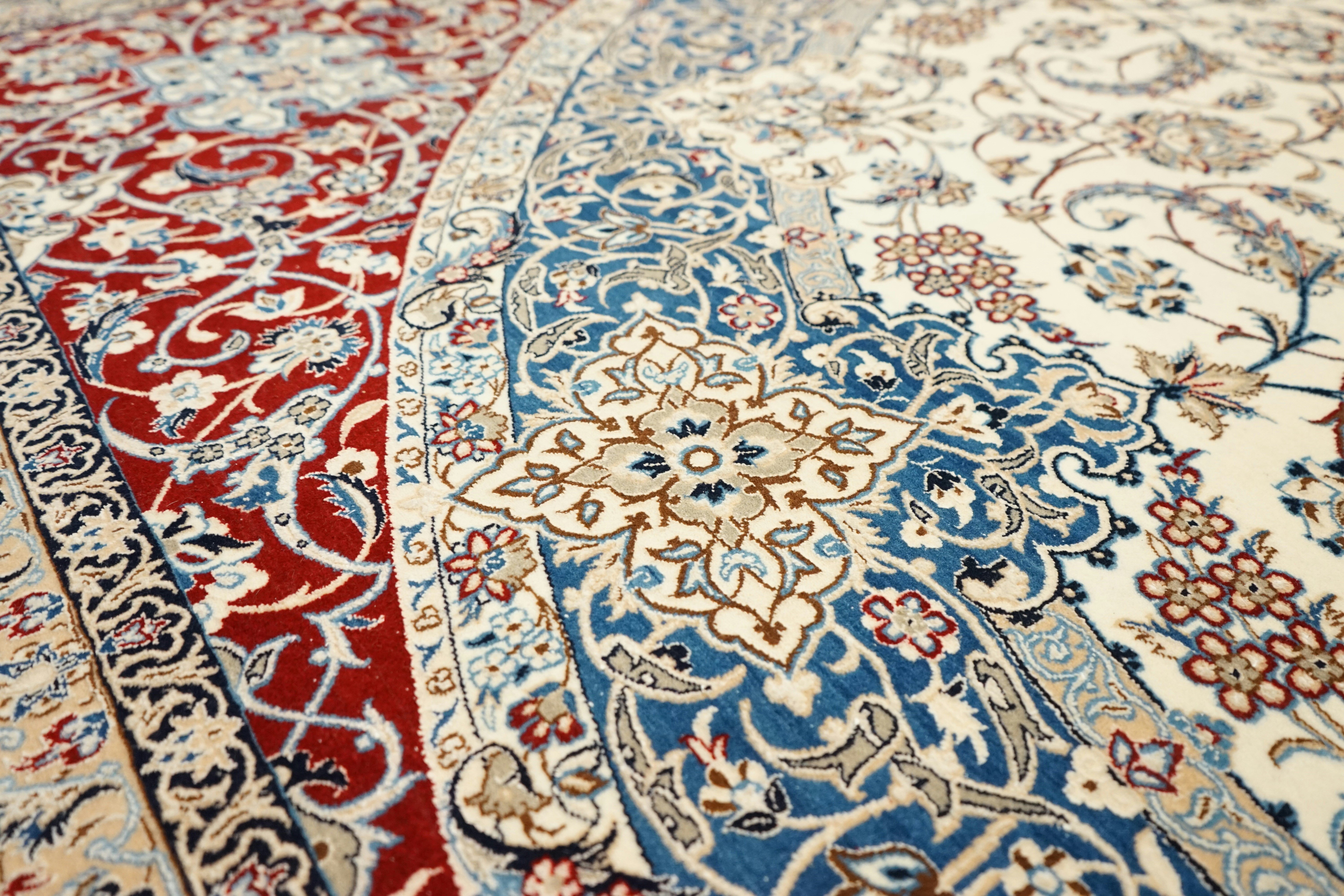
Origin & Production: Silk's journey begins with the humble silkworm, specifically the Bombyx mori moth's larvae. These creatures create cocoons from a single continuous fiber that can stretch up to 1,000 yards long. The harvested cocoons are carefully unwound in hot water, and multiple strands are twisted together to create silk thread. This meticulous process, first developed in ancient China, produces a fiber that's incredibly fine yet surprisingly strong. In rug making, silk's extraordinary tensile strength allows for the creation of extremely detailed knots, resulting in stunningly intricate designs.
Characteristics: • Luxurious appearance • Incredible sheen • Highest knot count capability • Premium market value
Care instructions:
Daily/Weekly Care: • Light vacuuming only (no beater bar) • Use mesh screen when vacuuming to prevent fiber damage • Rotate quarterly to ensure even wearSpot Cleaning: • AVOID DIY spot cleaning • Blot liquid spills immediately with white cloth • Contact professional immediately for any spills • Never apply heat or steam
Professional Care: • Professional cleaning every 12-24 months
• Specialized cleaning methods required
• Climate-controlled storage recommended
• Professional spot cleaning only
Cotton Rugs
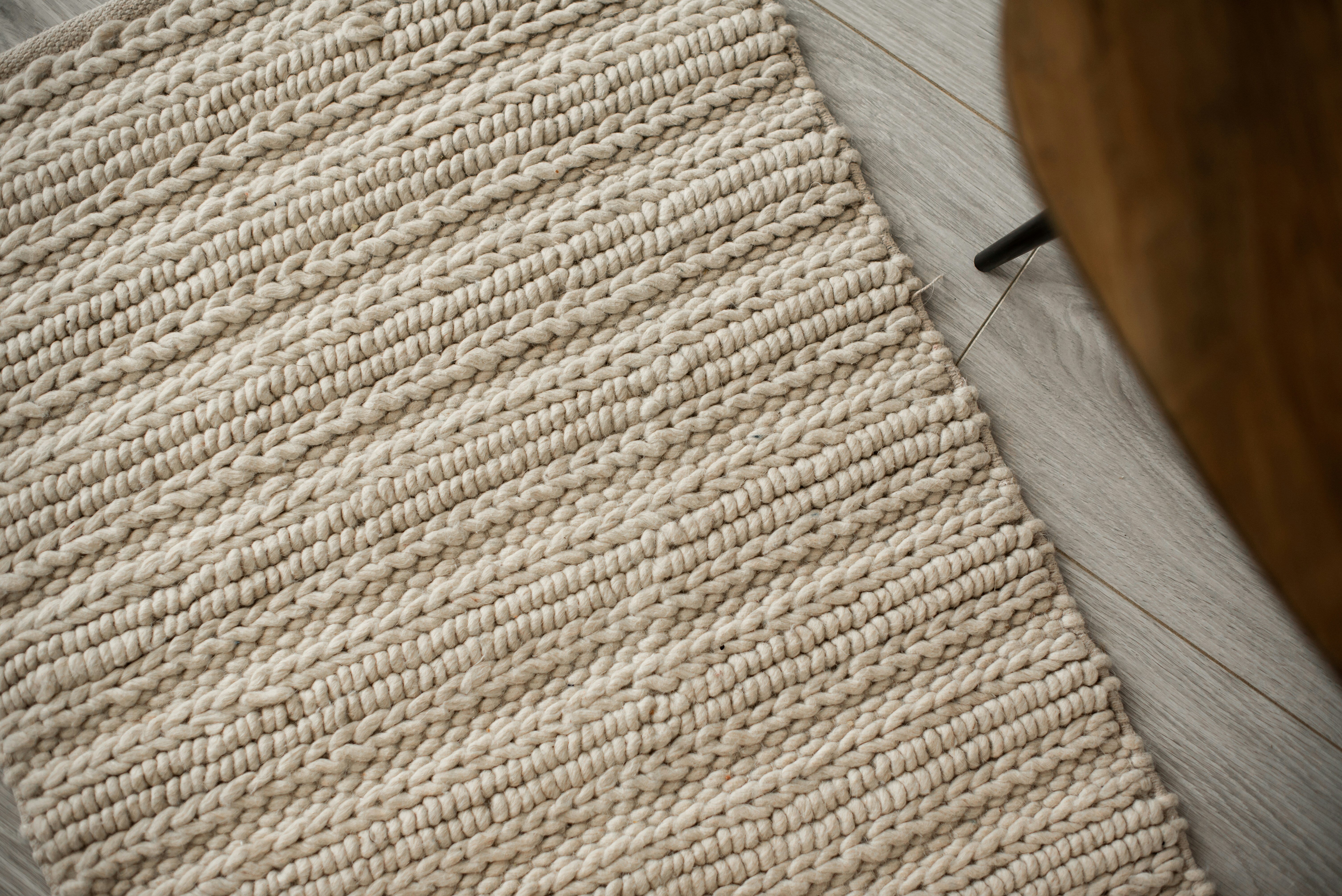
Origin & Production: Cotton begins as a protective casing around the seeds of the cotton plant. Once harvested, the cotton bolls go through a ginning process to separate fibers from seeds. These fibers are then cleaned, carded, and spun into threads. In rug making, cotton's natural absorbency and strength make it excellent for creating sturdy foundation materials. It's often used in the warp and weft of rugs, even when the pile is made from other materials.
Characteristics: • Natural breathability • Excellent absorbency • Strong and durable • Easy to clean
Care instructions:
Daily/Weekly Care: • Vacuum regularly (2-3 times weekly) • Shake out small rugs when possible • Use rug pad to prevent slippingSpot Cleaning: • Blot spills immediately • Use mild soap and cool water • Avoid oversaturation • For tough stains:
- Mix mild detergent with cool water
- Blot, don't rub
- Air dry completely
Professional Care: • Professional cleaning every 6-12 months
• More frequent cleaning in high-traffic areas
• Special attention to edges and fringe
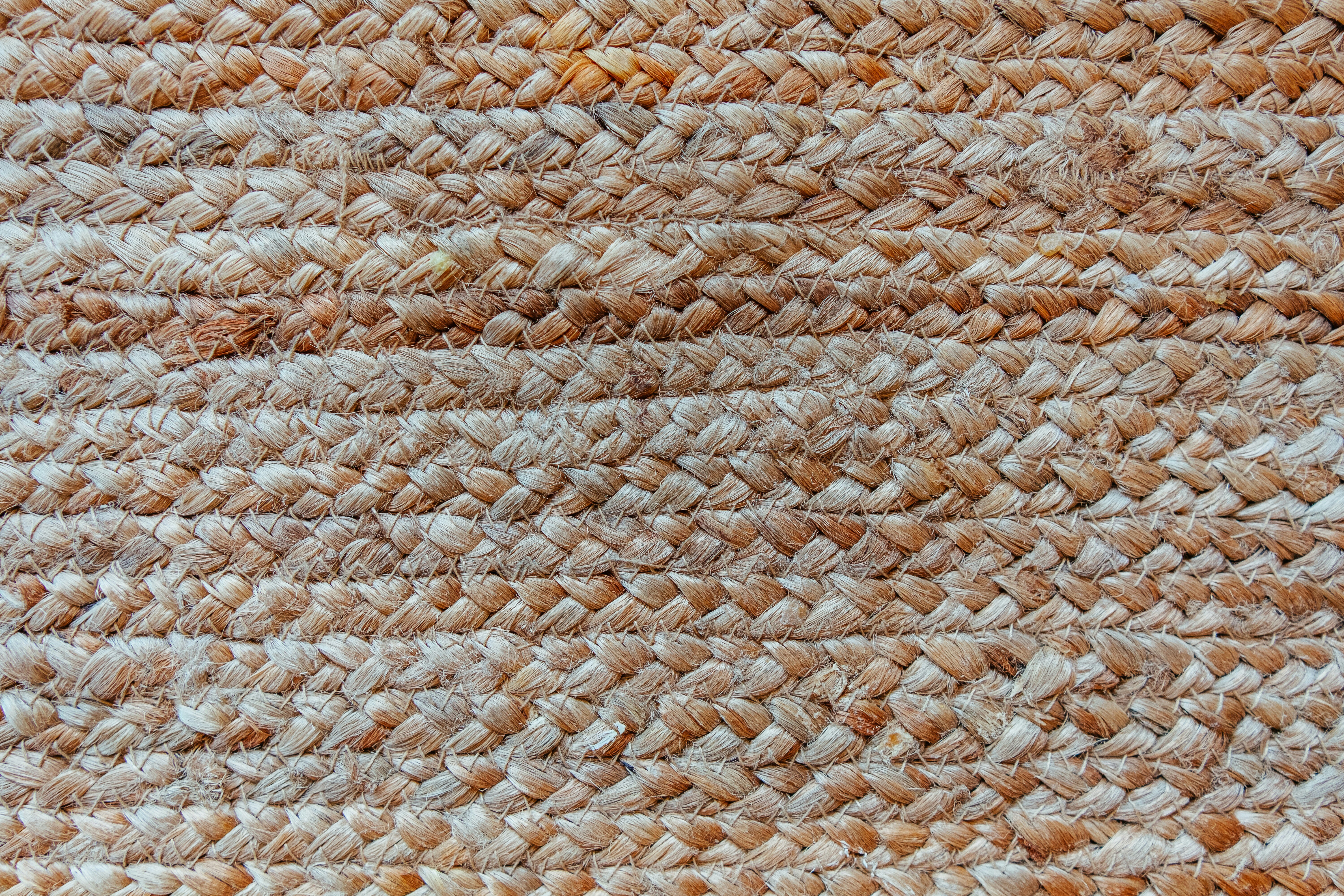
Jute & Sisal
Origin & Production: Jute fibers are extracted from the stem and outer skin of the jute plant, primarily grown in India and Bangladesh. The plants are harvested and retted (soaked in water) to soften the tissues and separate the fibers. These fibers are then stripped, cleaned, and spun into coarse, strong threads.
Sisal, derived from the Agave sisalana plant native to Mexico, undergoes a process where the leaves are crushed and scraped to extract the long, sturdy fibers. These fibers are then dried, brushed, and graded before being spun into yarn.
Characteristics: • Environmentally sustainable • Natural texture • Durable construction • Ideal for casual spaces
Care instructions:
Daily/Weekly Care: • Vacuum with suction only • Remove debris promptly • Keep away from moistureSpot Cleaning: • Blot immediately with clean cloth • Use minimal moisture • For dry spills:
- Use dry extraction powder
- Vacuum thoroughly • Avoid all liquid cleaners if possible
Professional Care: • Professional cleaning annually
• Dry cleaning methods preferred
• Avoid wet extraction methods
• Professional spot cleaning recommended
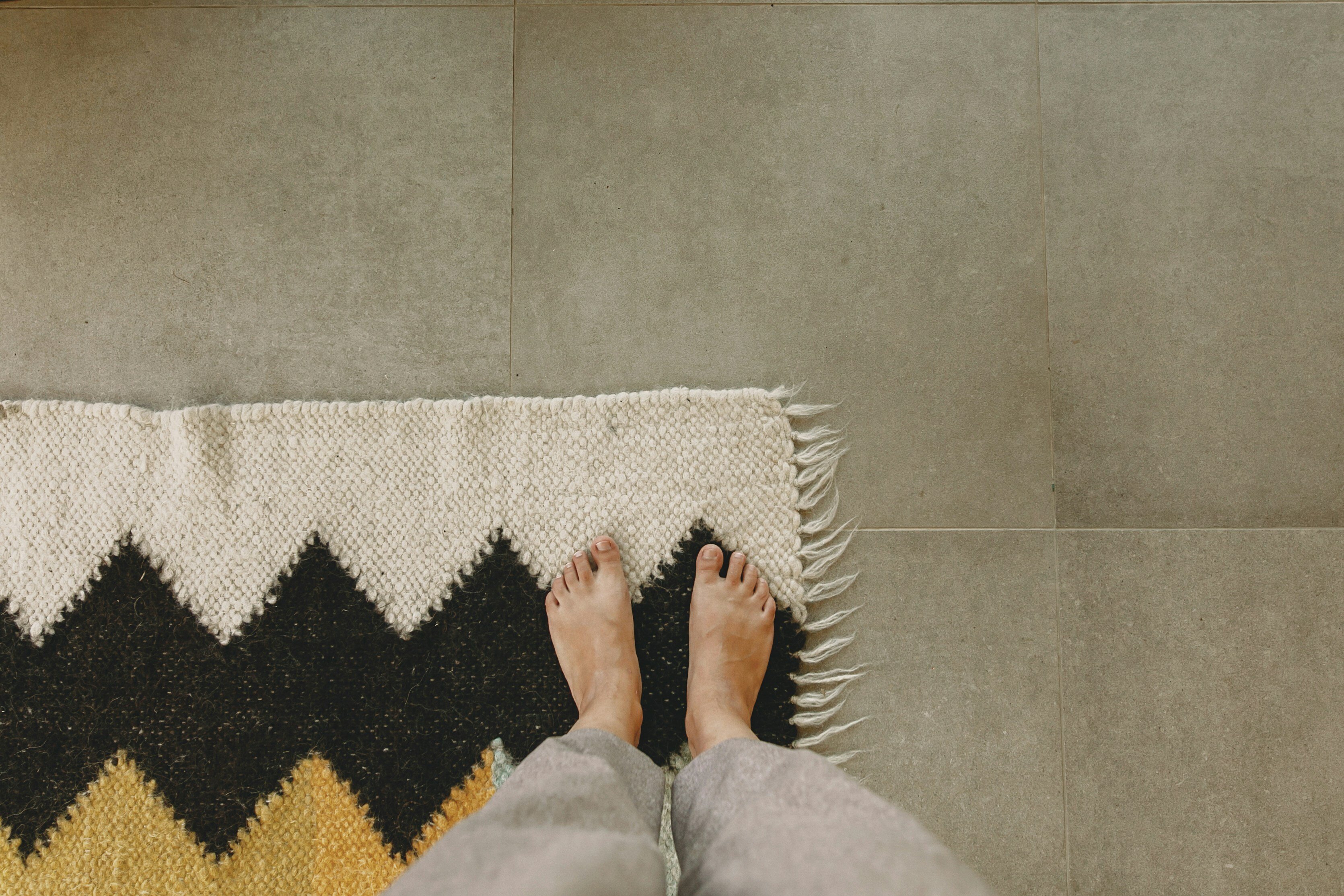
Hemp
Origin & Production: Hemp fibers come from the Cannabis sativa plant's stalk (industrial hemp). The stalks undergo retting, breaking, and scutching processes to separate the tough outer fibers. These bast fibers are then hackled (combed) and spun into strong, durable yarn. Hemp's history in textiles dates back thousands of years, prized for its strength and sustainability.
Characteristics: • Extremely durable • Naturally antimicrobial • Environmentally friendly • Improves with age
Care instructions:
Daily/Weekly Care: • Gentle vacuum without beater bar • Remove debris promptly • Rotate every 3-6 months • Avoid direct sunlight exposure • Use appropriate rug padding
Spot Cleaning: • Blot spills immediately • Use minimal moisture • For fresh stains:
- Clean white cloth with plain water first
- Mild soap solution if needed
- Blot dry thoroughly • For dry spills:
- Vacuum thoroughly
- Avoid rubbing into fibers
Professional Care: • Professional cleaning annually • Gentle cleaning methods required • Special considerations:
- Avoid excessive moisture
- No harsh chemicals
- Natural cleaning solutions preferred • Recommended services:
- Natural fiber protection
- Gentle deodorizing if needed
- Professional spot treatment
Manmade & Synthetic fibers found in Rugs
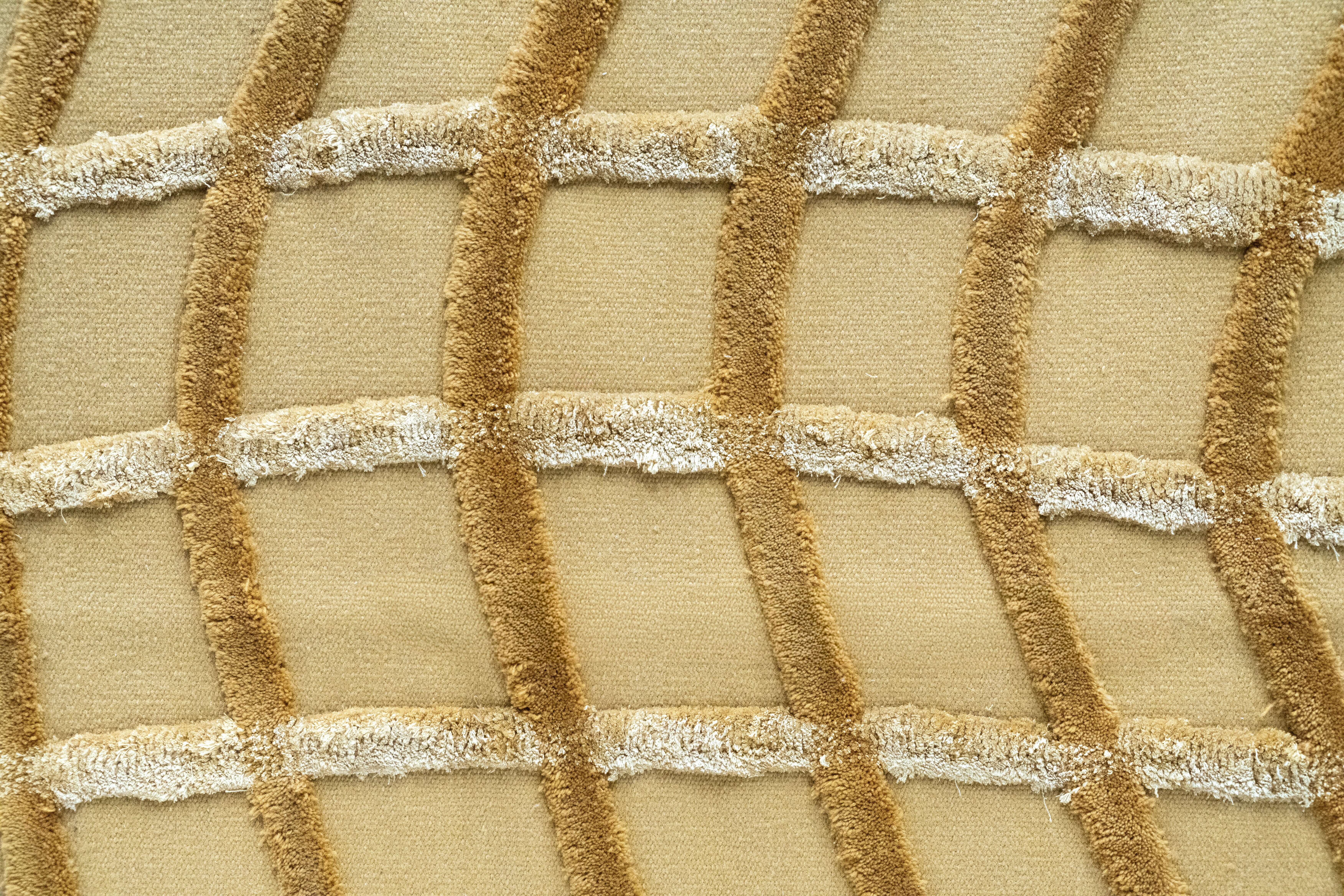
Viscose/Art Silk
Origin & Production: Viscose, also known as art silk or rayon, is a semi-synthetic fiber made from cellulose pulp, typically from wood or bamboo. The manufacturing process involves treating cellulose with sodium hydroxide and carbon disulfide to create a solution that's then extruded through spinnerets into an acid bath, where it solidifies into fine filaments. This chemical process creates a fiber that mimics silk's lustrous appearance but requires more delicate handling. These rugs have blown up in 2010-2024.
Viscose can be one of the most challenging fibers to have in a rug due to its sensitivity. It will change 90% of the time after the first cleaning either changing color or in texture leaving the owner disappointed. Use caution when placing this in your home.
Characteristics: • Silk-like sheen • More affordable than natural silk • Requires careful maintenance • Sensitive to moisture
Care instructions:
Daily/Weekly Care: • Gentle vacuuming only • Use mesh screen protection • Avoid high-traffic areasSpot Cleaning: • AVOID DIY spot cleaning • Blot liquids immediately • Contact professional for all stains • Never brush or rub
Professional Care: • Professional cleaning every 12-18 months
• Specialized cleaning methods only
• Avoid excessive moisture
• Professional spot cleaning only
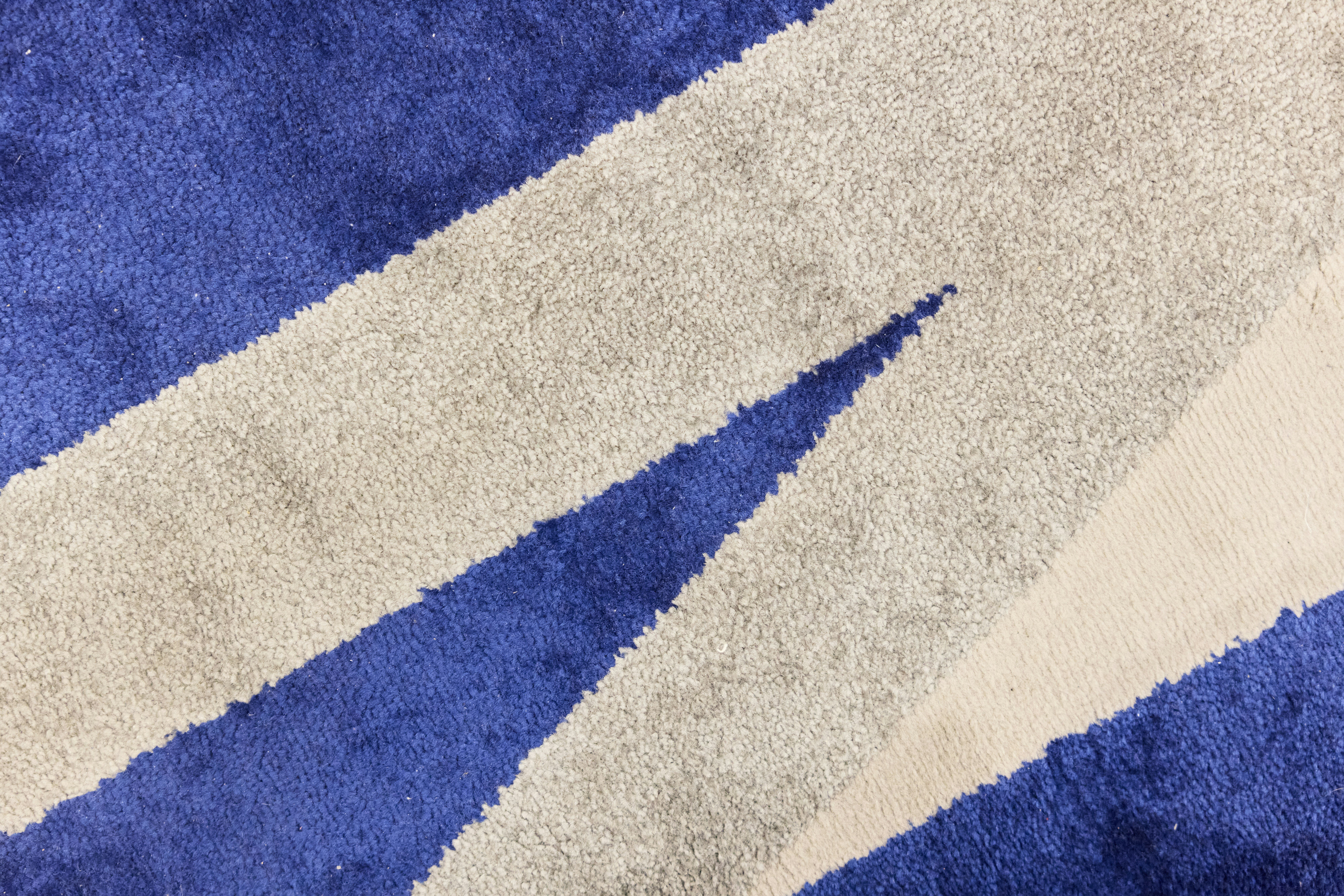
Nylon
Origin & Production: Nylon, first introduced by DuPont in 1938, is produced through a chemical process called polymerization. Raw materials derived from petroleum, such as caprolactam or hexamethylenediamine and adipic acid, are combined under specific conditions to form long chains of molecules. These are then extruded through spinnerets (similar to a shower head) to create fibers. The fibers can be engineered to different specifications of thickness, strength, and texture. In rug making, nylon's versatility allows it to be produced in various forms, from delicate and silk-like to sturdy and resilient.
Characteristics: • Superior strength and durability • Excellent resilience • High stain resistance • Color fastness • Abrasion resistant
Care instructions:
Daily/Weekly Care: • Regular vacuuming with beater bar acceptable • Can handle more aggressive vacuuming • Rotate regularly in high-traffic areasSpot Cleaning: • Blot spills immediately • Use manufacturer-approved cleaners • For tough stains:
- Mix mild detergent with warm water
- Blot from outside in
- Rinse thoroughly
- Air dry
Professional Care: • Professional cleaning every 12-18 months
• Can handle hot water extraction
• Responds well to deep cleaning methods
Polyester
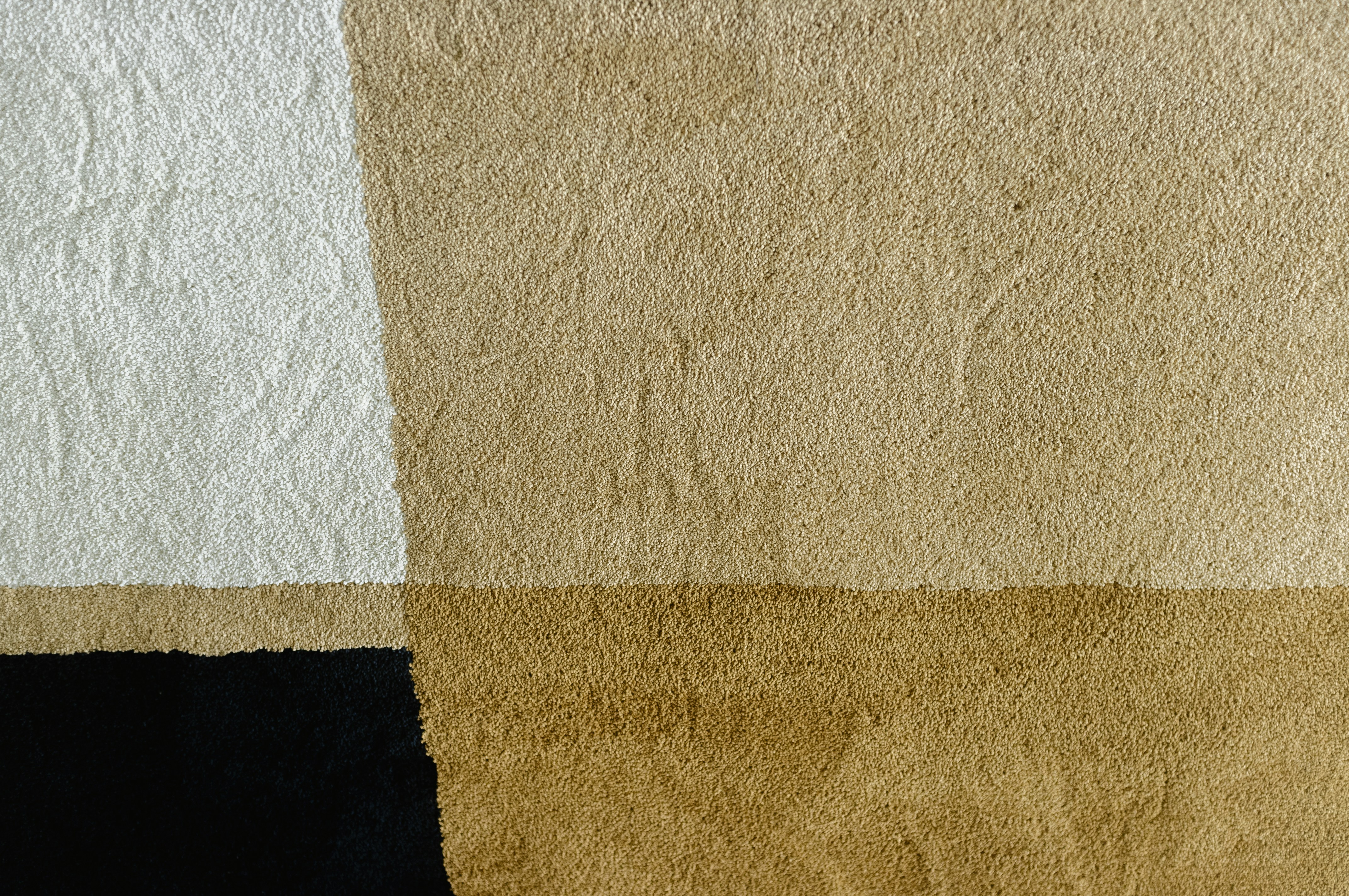
Origin & Production: Polyester is created through a chemical reaction between petroleum-derived products (ethylene glycol and terephthalic acid). The process involves melting these materials and forcing them through tiny holes to create fibers, which are then stretched and treated for specific characteristics. Modern polyester can also be made from recycled plastic bottles (PET), offering an eco-friendly alternative. In rug construction, polyester is often used to create plush, soft surfaces with good color retention.
Characteristics: • Excellent color retention • Good stain resistance • Quick drying • Affordable • Can be eco-friendly (when recycled)
Care instructions:
Daily/Weekly Care: • Vacuum 2-3 times weekly • Beater bar acceptable on normal setting • Rotate quarterly for even wear • Use quality rug pad
Spot Cleaning: • Blot spills immediately • Use clean white cloth • For common stains:
- Mix mild detergent with warm water
- Work from outside of stain inward
- Rinse thoroughly
- Avoid over-wetting • For oil-based stains:
- Use commercial oil-lifting products
- Follow with mild detergent solution
Professional Care: • Professional cleaning every 12-18 months • Responds well to hot water extraction • Immediate professional attention for:
- Deep set stains
- Oil-based spots
- Pet accidents • Consider:
- Annual deep cleaning
- Fiber protection treatment
- Deodorizing services
Polypropylene (Olefin)
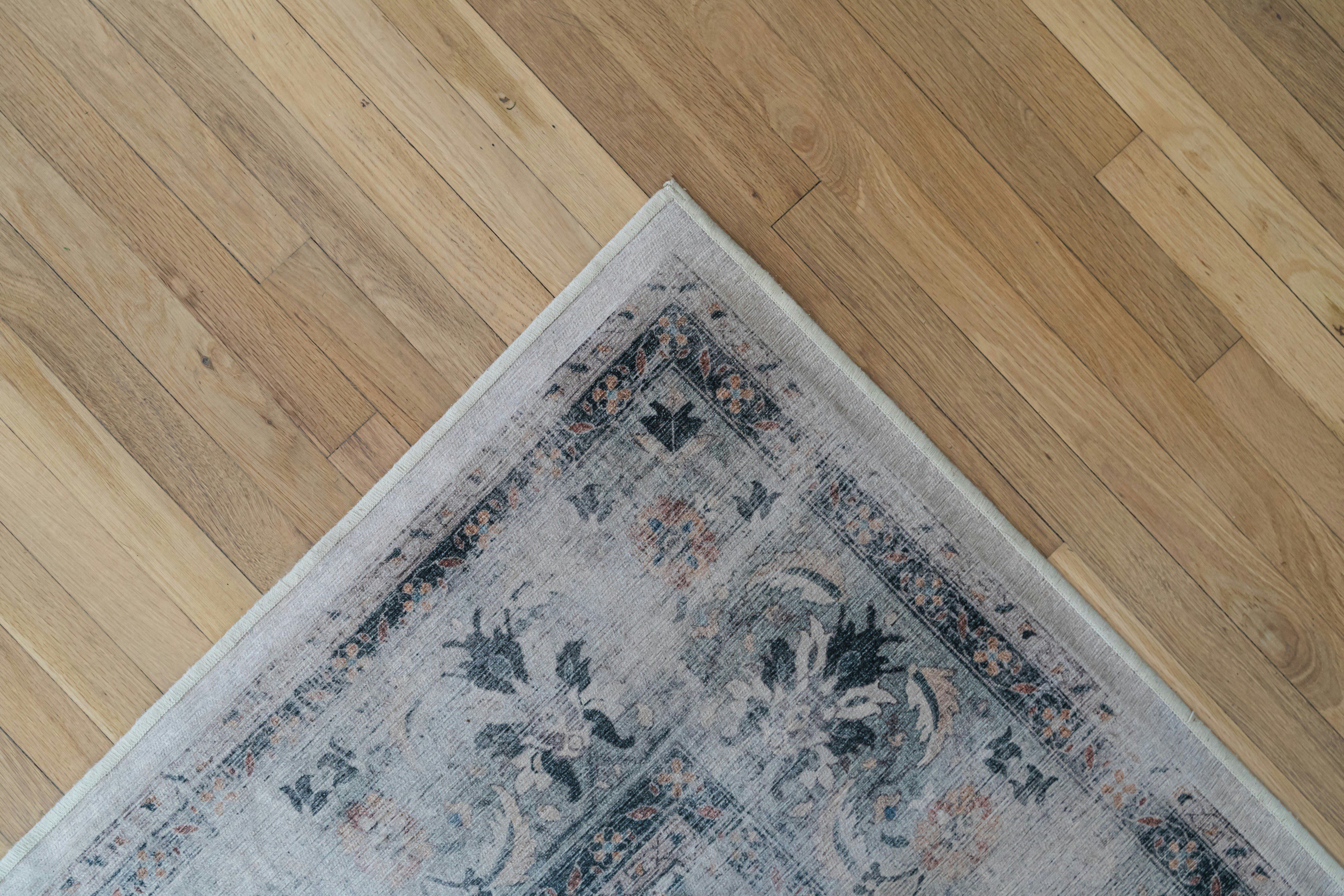
Origin & Production: Polypropylene is synthesized from propylene gas, a byproduct of petroleum refining. The gas is converted into polymer chips, which are then melted and extruded into fibers. What makes this process unique is that the color is added during the melting phase (solution-dyed), making the color an integral part of the fiber rather than a surface treatment. This process makes polypropylene rugs particularly colorfast and suitable for indoor/outdoor use.
Characteristics: • Highly moisture resistant • Colorfast • Stain resistant • UV resistant • Ideal for indoor/outdoor use
Care instructions:
Daily/Weekly Care: • Regular vacuuming • Can use beater bar • Clean spills promptly to prevent wicking
Spot Cleaning: • Blot spills immediately • Use mild soap and water • For oil-based stains:
Use dry cleaning solventFollow with detergent solution • Avoid bleach-based products
Professional Care: • Annual professional cleaning
• Suitable for hot water extraction
• May need deodorizing treatments
Acrylic
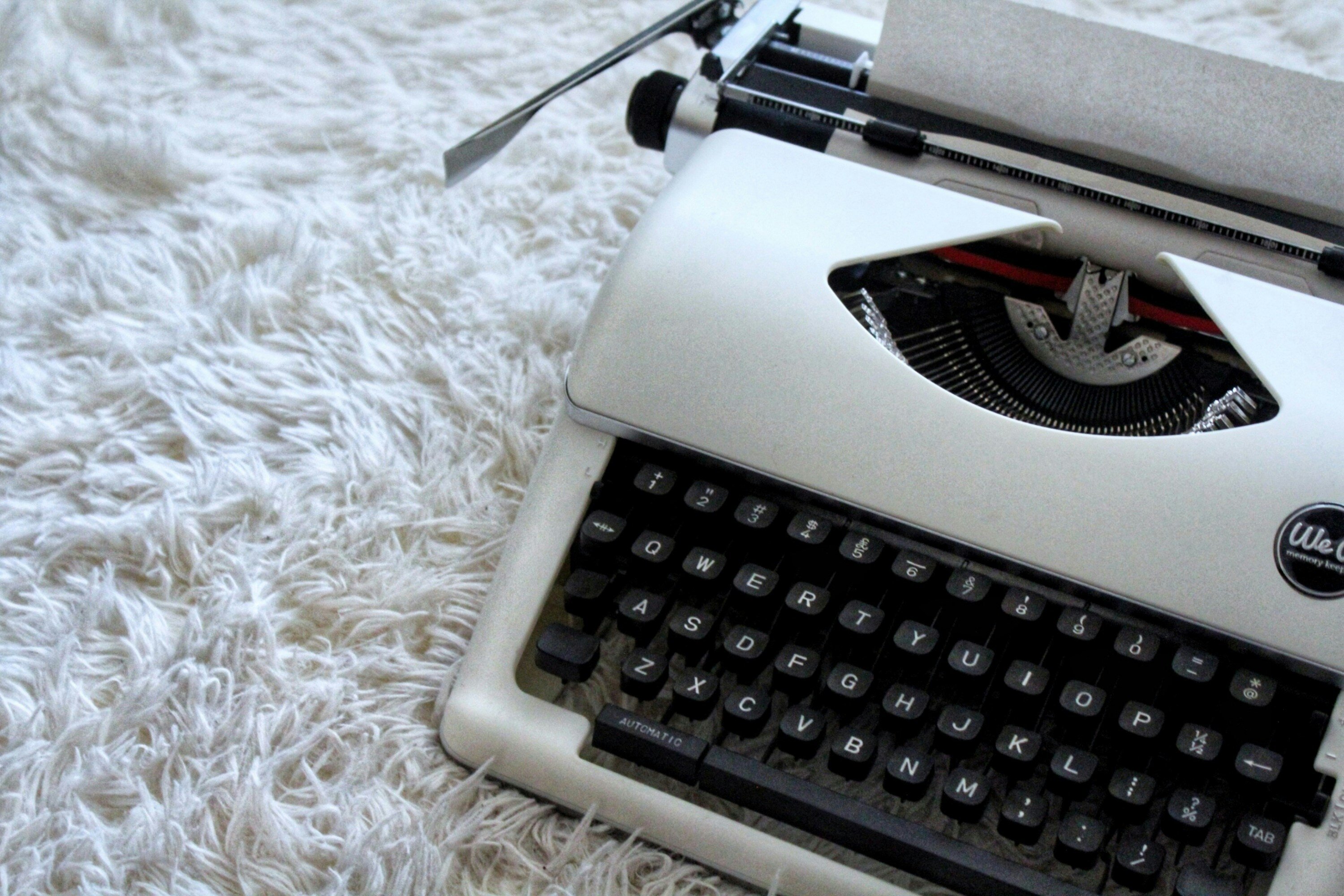
Origin & Production: Acrylic fibers are created from acrylonitrile, a derivative of natural gas and petroleum. The production process involves dissolving the polymer in a solvent, then extruding it through spinnerets into a chemical bath that solidifies the fibers. These fibers are specifically engineered to mimic wool's characteristics, earning it the nickname "synthetic wool." In rug making, acrylic is often blended with natural fibers to enhance durability while maintaining a wool-like feel.
Characteristics: • Wool-like appearance • Good color retention • Resistant to moths and mildew • Quick drying • Affordable alternative to wool
Care instructions:
Daily/Weekly Care: • Regular vacuuming 1-2 times weekly • Can use beater bar on low setting • Rotate rug every 3-4 months • Use rug padding to prevent slipping
Spot Cleaning: • Blot spills immediately with clean white cloth • Use mild soap and lukewarm water • For stubborn stains:
- Mix gentle detergent with cool water
- Avoid harsh chemicals
- Blot, never rub
- Rinse thoroughly
- Air dry completely
Professional Care: • Professional cleaning every 12-18 months • Can handle standard extraction methods • Professional stain treatment for:
- Oil-based stains
- Red wine/coffee
- Pet accidents • Recommended services:
- Deodorizing when needed
- Fiber protection treatment
Triexta (PTT)
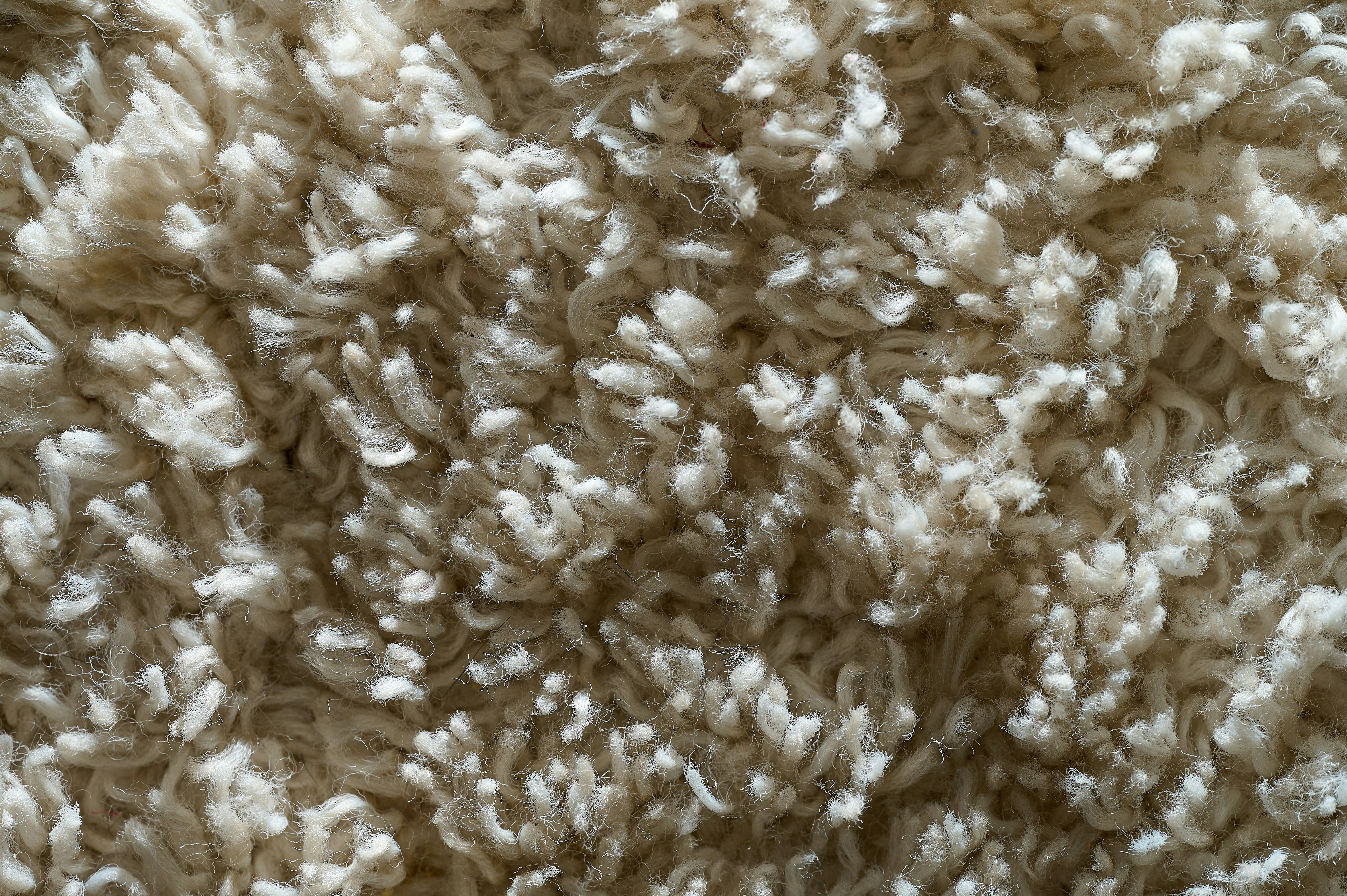
Origin & Production: Triexta, a relatively new fiber category, is made from polytrimethylene terephthalate (PTT). While similar to polyester in chemical structure, it can be produced using corn glucose instead of petroleum products, making it partially bio-based. The production process involves converting the raw materials into polymer chips, which are then melted and extruded into fibers. These fibers are engineered to have superior resilience and stain resistance compared to traditional polyester.
Characteristics: • Exceptional stain resistance • Superior resilience • Soft hand feel • Environmentally friendly options • Good color retention
Care instructions:
Daily/Weekly Care: • Vacuum 2-3 times weekly • Beater bar acceptable on normal setting • Rotate quarterly for even wear • Use quality rug pad
Spot Cleaning: • Blot spills immediately • Use clean white cloth • For common stains:
- Mix mild detergent with warm water
- Work from outside of stain inward
- Rinse thoroughly
- Avoid over-wetting • For oil-based stains:
- Use commercial oil-lifting products
- Follow with mild detergent solution
Professional Care: • Professional cleaning every 12-18 months • Responds well to hot water extraction • Immediate professional attention for:
- Deep set stains
- Oil-based spots
- Pet accidents • Consider:
- Annual deep cleaning
- Fiber protection treatment
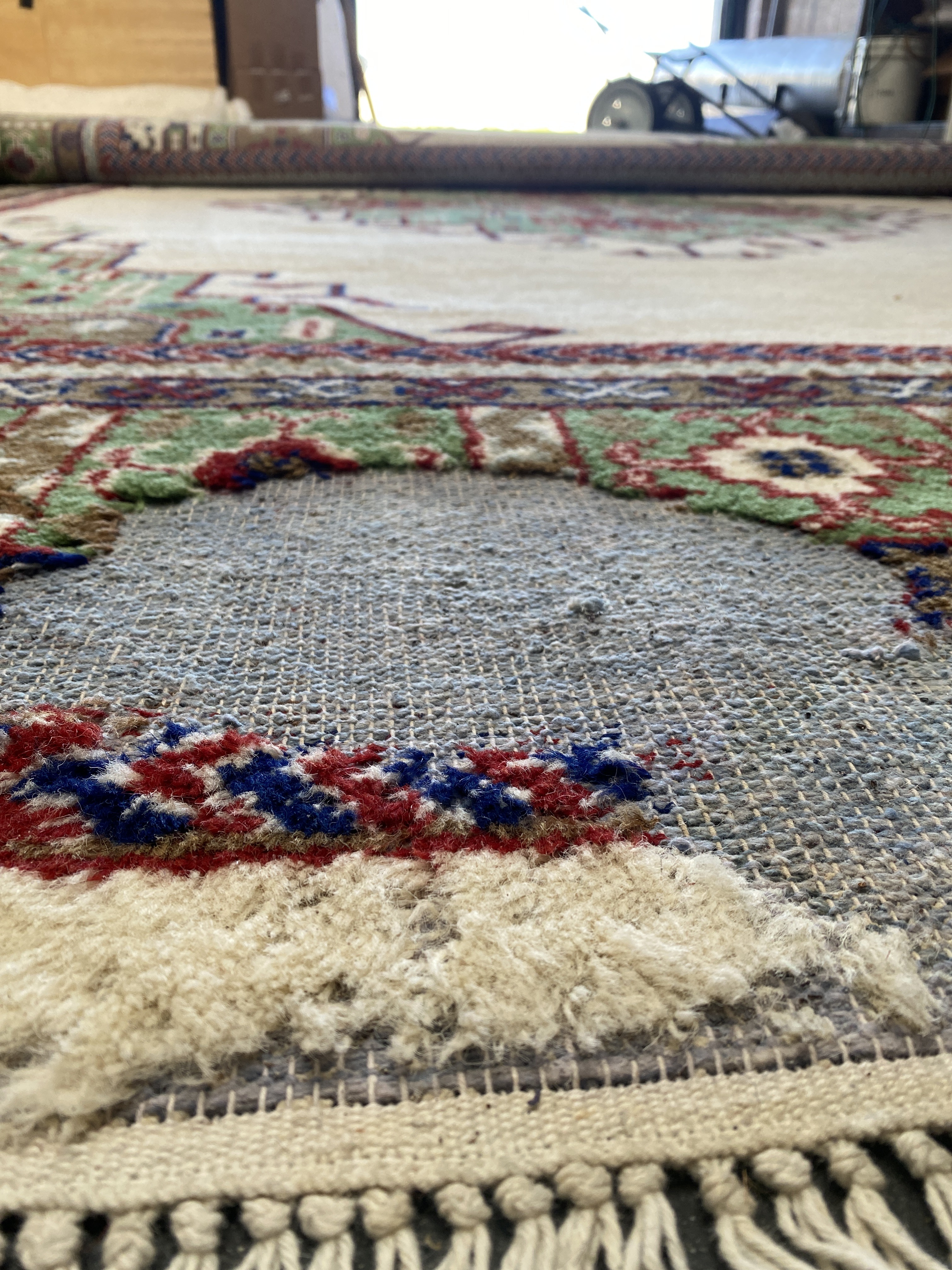
If you live in or around the bay area and need service check us out
Visit us
GENERAL CARE TIPS FOR ALL FIBERS:
Prevention: • Use quality rug pads • Rotate rugs regularly • Address spills immediately • Keep out of direct sunlight • Use entrance mats
Regular Maintenance Schedule: • Daily: Remove visible debris • Weekly: Thorough vacuum • Monthly: Rotation and inspection • Annually: Professional cleaning
Simonian's Professional Services Available:
• Refresh Cleaning: $2.75/sqft
• Thorough Cleaning: $5.25/sqft
• Specialty Services: $8.00/sqft
• Fiber Shield Protection • Moth Prevention • Deodorizing
Warning Signs - Call Professional: • Stubborn stains • Pet accidents • Water damage • Unusual odors • Color bleeding • Visible soiling • Matted areas